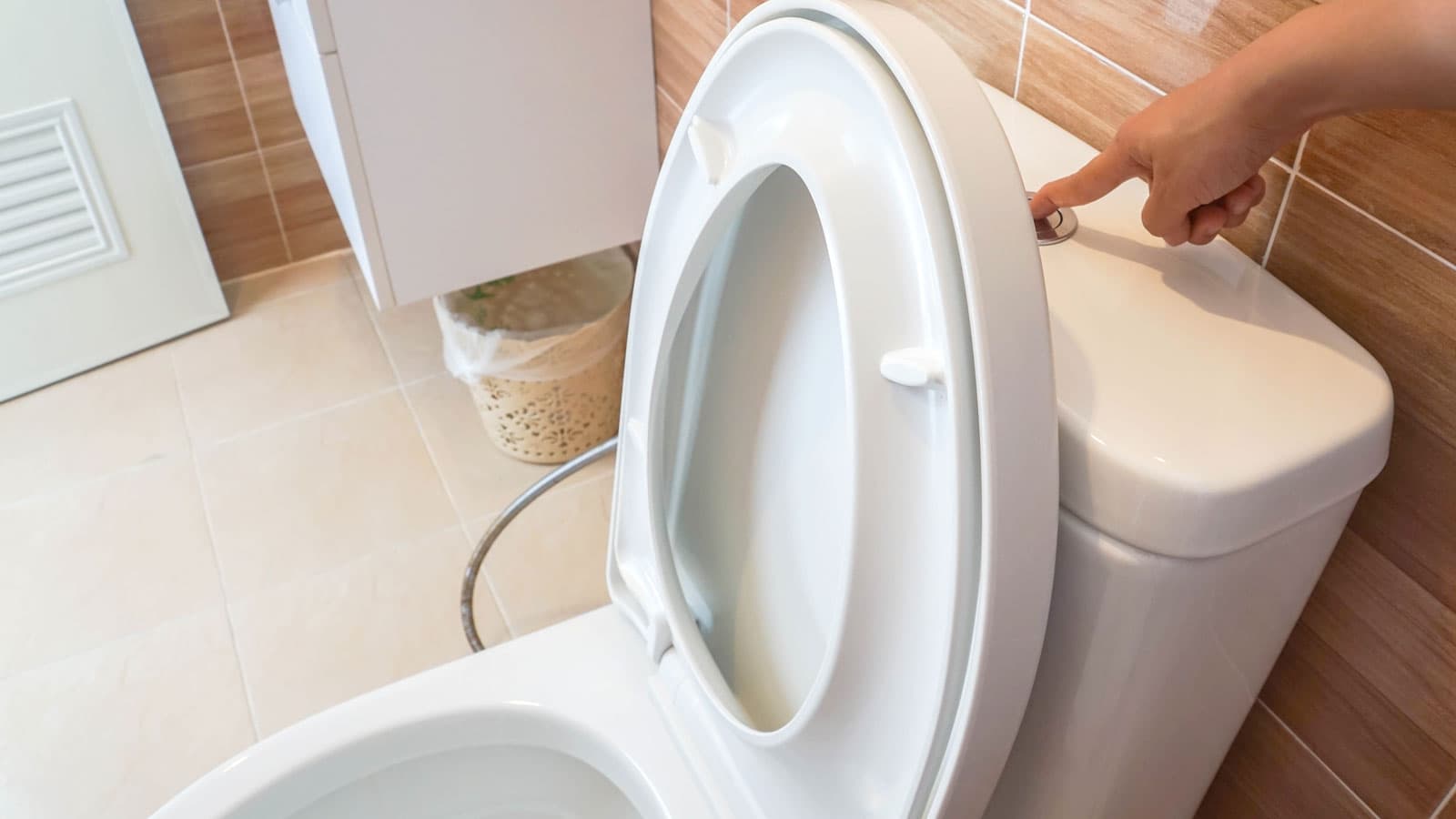
A slow flushing toilet is one of those problems that starts small but quickly becomes frustrating. You press the handle, and instead of a strong, clean flush, the water moves sluggishly or struggles to clear the bowl. It’s a common issue in many homes, and in most cases, the fix is simpler than it seems.
If you’re wondering why is my toilet flushing slow, the issue usually comes down to reduced water flow, partial clogs, or worn-out internal parts.
What a Slow Flush Is Trying to Tell You
Your toilet is designed to release a specific amount of water at the right pressure to clear waste efficiently. When something interferes with that process, the flush becomes weak or slow.
In many cases, the problem isn’t just inside the toilet it can also be related to buildup, drainage restrictions, or water level issues.
A slow flush is often an early warning sign. Many homeowners ignore it at first, but it rarely improves on its own.
Why Is My Toilet Flushing Slow? (Quick Answer)
If your toilet is flushing slowly, it’s usually caused by low water levels, partial clogs, or internal component issues like a worn flapper or blocked rim jets. Identifying the cause early makes fixing the problem much easier.
Most Common Reasons Your Toilet Is Flushing Slowly
1. Low Water Level in the Tank
If the tank doesn’t fill properly, the toilet won’t have enough water to create a strong flush.
This can happen due to:
Incorrect float adjustment
Faulty fill valve
Water supply issues
When the water level is too low, the flush becomes weak and incomplete.
2. Partial Clog in the Drain
A partial blockage is one of the most frequent causes of a slow flushing toilet.
Unlike a full clog, water still drains but not efficiently. This leads to:
Slow bowl clearance
Weak flushing power
Occasional backup
Over time, buildup from toilet paper, waste, or debris can restrict the pipe.
3. Clogged Rim Jets
Rim jets are small holes under the toilet rim that release water during a flush.
Mineral deposits and hard water buildup can block these openings, reducing water flow and weakening the flush.
This is especially common in older toilets.
4. Worn-Out Flapper
The flapper controls how much water flows from the tank into the bowl.
If it’s worn, warped, or not opening fully:
Less water is released
Flush becomes slow or incomplete
5. Fill Valve Problems
A faulty fill valve can prevent the tank from refilling properly or maintaining correct pressure.
This directly impacts flushing performance.
6. Plumbing Vent or Drain Issues
In some cases, slow flushing is caused by airflow problems or deeper drain restrictions.
If you notice other symptoms like gurgling sounds or slow drains, the issue may be beyond the toilet itself.
Quick Self-Check (Before You Start Fixing)
Before jumping into repairs, take a minute to observe:
Does the water level look low in the tank?
Is the flush weak or delayed?
Are other drains in your home slow?
Do you hear gurgling sounds?
This quick check helps you identify the root cause faster.
If your toilet is not flushing at all or feels completely unresponsive, it may indicate a different issue.
How to Fix a Slow Flushing Toilet (Smart Fix Approach)
If you’re trying to figure out why your toilet is flushing slow and how to fix it, it’s best to match the solution to the actual problem.
If the Water Level Is Too Low
Adjust the float inside the tank so it allows more water to fill.
In most toilets, this simple adjustment restores normal flushing power almost immediately.
If There’s a Partial Clog
Use a plunger to clear minor blockages and improve water flow.
If the problem continues, a toilet auger can help remove deeper obstructions.
If you also hear bubbling or unusual sounds, it may be related to a gurgling toilet issue.
If Rim Jets Are Blocked
Clean the rim jets using vinegar or a small brush to remove mineral buildup.
This improves water flow and strengthens the flush.
If the Flapper Is Worn
Replace the flapper with a new one to ensure proper water release.
This is an inexpensive fix that often solves weak flushing problems quickly.
If the Fill Valve Isn’t Working
Replacing the fill valve can restore proper tank filling and pressure.
If the Problem Feels Bigger
If multiple fixtures are slow or the issue keeps returning, it may be a drain or vent problem.
In that case, professional inspection is recommended.
Signs Your Slow Flush Could Turn Into a Bigger Problem
A slow flush can sometimes be the first stage of a more serious issue.
Watch for:
Water rising higher than normal
Frequent clogs
Gurgling noises
Slow drainage in other fixtures
Unpleasant odors
If ignored, this can eventually lead to a full blockage or even an overflowing toilet.
How to Prevent Slow Flushing in the Future
Keeping your toilet in good condition doesn’t require much effort.
Avoid flushing non-flushable items
Clean rim jets periodically
Check tank components regularly
Maintain proper water level
Address minor issues early
Small maintenance steps can prevent bigger plumbing problems later.
Practical Insight
In many homes, a slow flushing toilet isn’t caused by just one issue it’s often a combination of minor problems building up over time.
FAQ
Why is my toilet flushing slowly but not clogged?
It may be due to low water level, blocked rim jets, or a worn-out flapper.
Can a slow flushing toilet fix itself?
No, the underlying cause usually worsens over time.
Is a slow flush a serious problem?
Not always, but it can lead to bigger issues if ignored.
How do I increase toilet flush power?
Adjusting the water level and cleaning internal components can improve performance
Why Should I Call a Plumber?
If multiple fixtures are affected or DIY fixes don’t work.
Wrapping It Up
A slow flushing toilet is often a sign that something isn’t working as it should whether it’s a minor clog, low water level, or worn-out parts.
The key is to identify the cause early and apply the right fix. Most issues can be resolved quickly with simple adjustments or basic tools.
Ignoring the problem, however, can lead to more serious plumbing issues over time. Taking action now will save you time, money, and frustration later.
About HomeRepairManual Team
The HomeRepairManual Team is a group of experienced technicians and DIY experts dedicated to making repairs easier. They provide clear, reliable guidance and practical resources to help users confidently fix and maintain their equipment.
View all posts by HomeRepairManual Team