You hear it when the house is quiet.
A knock. A rattle. Sometimes a sharp ping that feels out of place. It’s not constant, but it shows up often enough to stay on your mind.
So the question forms, maybe a bit late. Are noisy water pipes dangerous in the long run?
At first, it feels like background noise. Something mechanical. Something you can live with. But honestly, that assumption is where most people get it wrong.
Noise is not random in a plumbing system. It is a signal. Not always urgent, but rarely meaningless. Let’s break it down properly.
Why Pipes Make Noise
Pipes are not silent by design.
Water moves through them under pressure. It changes direction, speed, and temperature. All of that creates sound.
But when those sounds become noticeable or repetitive, something is slightly off.
Common Reasons Behind the Noise
High water pressure
Loose or unsecured pipes
Air trapped in the system
Worn valves or washers
Sudden changes in water flow
In many cases, these sounds also overlap with issues like why pipes whistle, which are often linked to pressure or restricted flow.
Each of these can lead to a noisy pipes cause that seems minor at first. But here’s the thing. Minor issues have a way of growing.
The Role of Pressure
Pressure is one of the main contributors. When water moves too fast, it creates force. That force translates into vibration and sound.
A pipe pressure problem often shows up as knocking or banging.
It’s not always dangerous. But it’s not harmless either.
In some homes, pressure imbalance can also lead to problems like a gurgling toilet, showing that the issue isn’t limited to pipes alone.
Vibration and Movement
Pipes are fixed in place, but not always tightly.
When water flow changes, pipes can shift slightly.
This creates a vibrating pipes issue.
You hear it as a rattle or hum. And honestly, that movement matters more than people think.
Is It Dangerous?
This is where things get a bit uncertain.
Because the answer is not a simple yes or no.
Sometimes, the noise is harmless. Sometimes, it’s a warning.
When It’s Not Dangerous
If the sound is occasional and mild, it may not indicate immediate risk.
A slight plumbing noise risk can exist without leading to damage. But that does not mean it should be ignored completely.
When It Becomes a Concern
Persistent or loud noises often signal deeper issues.
High pressure stressing the system
Loose pipes causing friction
Internal wear and tear
This is where pipe noise danger becomes real.
Not instantly catastrophic. But it gradually became problematic.
A Quick Overview
Noise Type | Likely Cause | Risk Level |
Knocking | Pressure surge | Medium |
Whistling | Restricted flow | Low to Medium |
Rattling | Loose pipes | Medium |
Humming | Vibration | Low |
Banging | Water hammer | High |
This table is not exact. But it helps frame the situation.
Possible Risks
Noise itself is not the problem. The cause behind it is. And that cause can lead to several risks.
1. Pipe Wear and Tear
Constant vibration weakens materials. Over time, this leads to cracks or leaks.
A pipe vibration danger is subtle, but persistent. It doesn’t show up overnight.
2. Joint and Connection Damage
Connections are the weakest points in a system.
When pipes move or vibrate, joints loosen.
This creates a pipe damage warning that often goes unnoticed until leakage occurs.
3. Increased Pressure Stress
High pressure does not just create noise. It stresses the entire system.
This can lead to burst pipes in extreme cases. A serious plumbing system risk.
4. Water Damage
Leaks caused by internal issues can lead to structural damage.
Walls, floors, and ceilings absorb water slowly.
By the time you notice, the damage is already done.
5. Reduced System Efficiency
Noise often indicates inefficiency. Water flow becomes irregular.
Energy consumption increases.Not dangerous in itself, but still problematic.
Let’s step back for a second. You might think this is overthinking.
It’s just noise, right?
Maybe.
But systems rarely make noise without reason. And ignoring those reasons rarely ends well.
Over time, these inefficiencies can also lead to issues like a slow flushing toilet, especially when pressure or flow becomes inconsistent.
How to Fix
Fixing noisy pipes depends on identifying the cause.
Step 1: Check Water Pressure
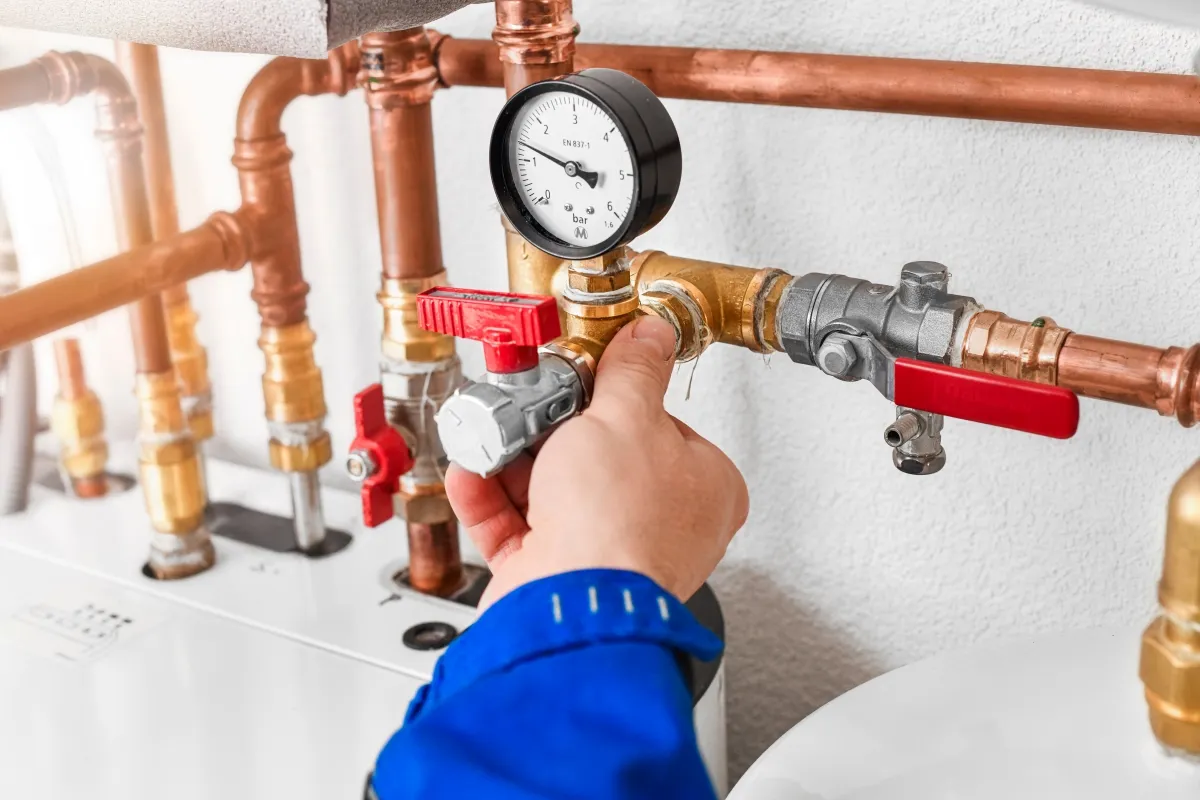
Use a gauge if possible.
Ideal pressure sits between 40 and 60 psi.
If it’s higher, install a regulator.
This reduces pipe pressure problem issues significantly.
Step 2: Secure Loose Pipes
Inspect exposed pipes.
Tighten brackets or supports.
This addresses the vibrating pipes issue concerns.
A simple fix.
Often overlooked.
Step 3: Release Air from Pipes
Air pockets create irregular flow.
Run all taps for a few minutes.
This helps clear the system.
Reduces noise.
Step 4: Inspect Valves and Fixtures
Worn components create uneven flow.
Replace faulty washers or valves.
This is a basic plumbing safety issue fix.
Step 5: Install Water Hammer Arrestors
These devices absorb pressure surges.
They reduce banging sounds.
And protect the system.
Practical Tips
Some habits make a difference.
Monitor pressure regularly
Listen for changes in sound
Inspect pipes periodically
Address small issues early
These steps improve water pipe safety.
They don’t eliminate risk entirely. But they reduce it.
Honestly, I think people underestimate plumbing noise. Because it’s not visible.
If a pipe leaked openly, it would get immediate attention. But sound feels less urgent.
So it gets ignored. Until it becomes a problem. And then it feels sudden. Even though it wasn’t.
When to Call a Professional
DIY fixes have limits. Call a plumber if:
Noise persists after basic adjustments
Pressure remains high
Pipes show visible damage
You are unsure about the cause
A professional can identify deeper plumbing noise risk factors. Sometimes, the issue is hidden behind walls.
Small Signs That Matter
Increasing volume of noise
Irregular water flow
Vibrations felt through surfaces
Noise across multiple fixtures
These indicate a larger issue. Do not ignore them.
You may also notice related symptoms in other fixtures, such as when the sink gurgles when you flush the toilet.
5 FAQ
1. Are noisy water pipes dangerous?
Are noisy water pipes dangerous depends on the cause. Minor noise may be harmless, but persistent sound often indicates underlying issues.
2. What causes pipe noise danger?
Pipe noise danger usually comes from high pressure, loose pipes, or internal wear.
3. Can vibrating pipes cause damage?
Yes. A vibrating pipes issue can weaken connections and lead to leaks over time.
4. How do I improve water pipe safety?
Regular checks, pressure control, and maintenance improve water pipe safety significantly.
5. When should I worry about plumbing noise risk?
If noise becomes louder or more frequent, it signals a growing plumbing noise risk that needs attention.
About HomeRepairManual Team
The HomeRepairManual Team is a group of experienced technicians and DIY experts dedicated to making repairs easier. They provide clear, reliable guidance and practical resources to help users confidently fix and maintain their equipment.
View all posts by HomeRepairManual Team