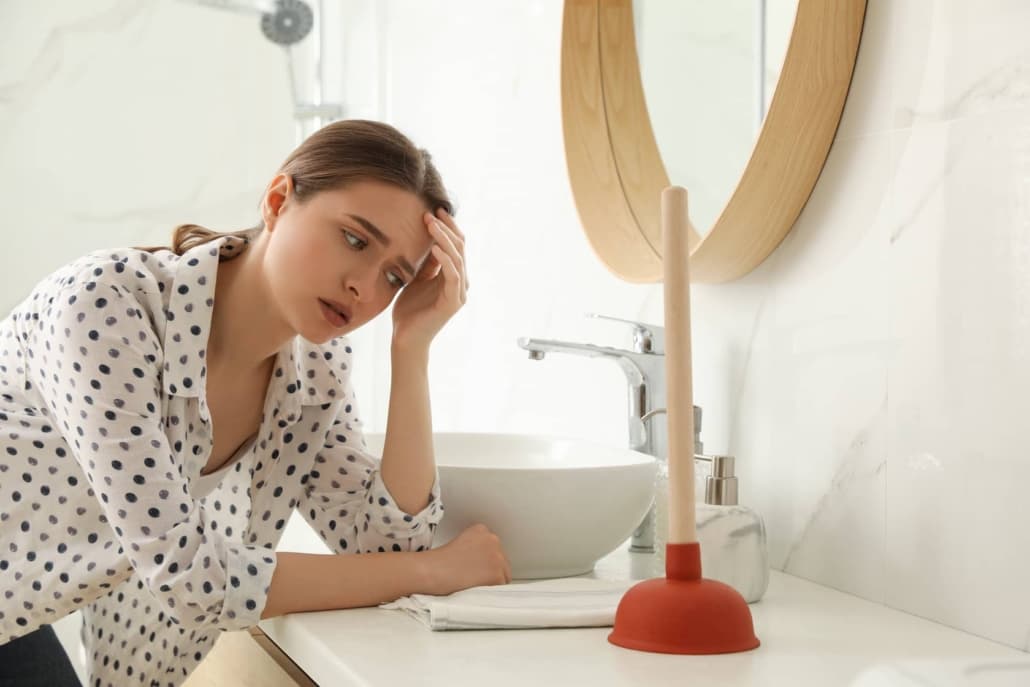
You flush the toilet… and suddenly your sink starts gurgling. It’s one of those issues that feels minor at first but is also a little concerning. This is similar to a gurgling toilet problem, where air pressure builds up inside the pipes.
If you’ve been wondering when I flush the toilet, the sink gurgles, the cause usually comes down to how your plumbing system handles air and drainage. In most homes, it’s not just a random noise, it’s an early warning sign that something isn’t working properly.
What’s Actually Happening Inside Your Pipes?
Your toilet, sink, and other fixtures are connected through the same drainage system. When everything is working as it should, water flows smoothly, and air moves freely through the vent pipes.
But when that balance is disturbed, whether by a blockage or a vent issue, air has to find another way out. Instead of escaping through the vent, it gets pulled through the nearest opening, which is often your sink drain.
That’s what creates the gurgling sound. In simple terms, your plumbing system is struggling to “breathe” properly.
Why This Problem Shouldn’t Be Ignored
A gurgling sink after flushing isn’t just an annoying sound it’s often a sign of a developing issue.
In many cases, it starts small but can gradually lead to slow drainage, recurring clogs, or unpleasant odors. If ignored for too long, it can even result in water backing up or an overflowing fixture.
The Most Common Causes (Explained Simply)
Instead of guessing, it’s better to understand what’s actually causing the problem. In most homes, it comes down to one of these issues.
1. Partial Blockage in the Drain Line
This is the most common reason.
A partial clog doesn’t completely stop water flow, but it restricts it enough to create pressure changes inside the pipes. When you flush the toilet, air gets forced toward the sink, which causes the gurgling sound.
This usually develops gradually as material builds up inside the pipe over time.
2. Blocked Plumbing Vent
Your plumbing system depends on vent pipes, usually located on the roof, to regulate air pressure.
When these vents become blocked by debris, dirt, or even bird nests, air can’t move freely. As a result, it gets pulled through nearby drains like your sink, leading to that bubbling or gurgling noise.
This is one of the most overlooked causes, but it’s very common.
3. Main Sewer Line Issue
If multiple fixtures in your home are affected, the issue may be deeper in the system.
A restriction in the main sewer line can disrupt normal drainage and airflow. This often shows up as gurgling sounds, slow drains, or water backing up in different parts of the house.
4. Shared Drain Line Design
In many homes, especially older ones, the sink and toilet share the same drain line.
When a large amount of water moves through the pipe during a flush, it can create suction that pulls air through the sink. Even without a major blockage, this can still cause noticeable noise.
5. Improper Plumbing Setup
Sometimes the issue isn’t a clog, it’s the way the system was installed.
Incorrect pipe sizing or poor vent placement can lead to recurring airflow problems. These cases are less common but can be persistent if not corrected.
How to Fix the Problem (Step-by-Step Approach)
Instead of guessing, the best way to solve this issue is to work through the possible causes one by one. Start with the simplest fix and move toward more advanced checks if needed. In some situations where flushing becomes difficult, you may need to flush the toilet manually as a temporary solution.
Fix 1: Clear Minor Blockages
In many cases, the issue starts with a partial clog inside the drain line. A plunger is often enough to restore proper flow and eliminate the gurgling sound.
If the problem continues, using a drain snake or auger can help remove deeper buildup that isn’t reachable with basic tools.
Fix 2: Check for Slow Drains
After clearing minor clogs, pay attention to how other fixtures behave. Run water in your sink, shower, or tub and observe the drainage.
If water drains slowly, it confirms that the issue is affecting the overall system not just a single fixture.
Fix 3: Inspect the Plumbing Vent
If the problem isn’t caused by a blockage, the next likely cause is a vent issue. Plumbing vents allow air to move freely through the system, and when they’re blocked, pressure problems occur.
If you’re comfortable doing so, check the roof vent for visible debris. Clearing it can often restore normal airflow and stop the gurgling.
Fix 4: Use Safe Cleaning Methods
For minor buildup inside the pipes, enzyme-based cleaners can help break down organic material over time without damaging your plumbing.
This isn’t an instant fix, but it can improve long-term performance.
Fix 5: Call a Professional (If Needed)
If the issue keeps coming back or multiple fixtures are affected, it’s likely a deeper problem such as a sewer line blockage or improper venting.
At this stage, a professional inspection is the safest and most effective solution.
How This Connects to Other Plumbing Problems
A gurgling sink rarely happens on its own. It’s often connected to other issues within your plumbing system.
You might also notice a slow flushing toilet, which often happens alongside drainage restrictions. These problems are all linked through the same network of pipes, which means fixing the root cause often resolves multiple symptoms at once.
Signs the Problem Is Getting Worse
In some cases, the issue can escalate if it’s ignored.
Watch for signs like water backing up into the sink, multiple drains slowing down, or strong sewer odors coming from your pipes. These are clear indicators that the problem is no longer minor and needs immediate attention.
In more severe cases, the toilet may stop working completely, leading to a situation where the toilet won’t flush. If ignored, this can even lead to an overflowing toilet, which requires immediate attention.
How to Prevent This in the Future
While not every plumbing issue can be avoided, simple maintenance can reduce the chances of this happening again.
Avoid flushing non-flushable items, keep your drains clean, and address slow drainage early. Checking your system occasionally can also help catch small problems before they turn into bigger ones.
Practical Insight
In many homes, this issue isn’t caused by a single problem. It’s often the result of small blockages and airflow issues building up over time.
FAQ
Why does my sink gurgle when I flush the toilet?
It’s usually caused by a blockage or vent issue that disrupts airflow in your plumbing system.
Is this something serious?
It can become serious if ignored, especially if it leads to backups or drainage problems.
Can I fix it myself?
Yes, minor clogs can often be cleared with basic tools, but deeper issues may require professional help.
Why is only the sink affected?
Air is pulled through the closest opening in the system, which is often the sink drain.
Will it fix itself?
No, the problem usually worsens over time if left untreated.
What This Means for Your Home
If you’re noticing that when you flush the toilet, the sink gurgles, it’s your plumbing system signaling that something isn’t working as it should.
In many cases, the solution is simple, but ignoring it can lead to more serious issues like backups or costly repairs. Taking action early is the best way to keep everything running smoothly.
About HomeRepairManual Team
The HomeRepairManual Team is a group of experienced technicians and DIY experts dedicated to making repairs easier. They provide clear, reliable guidance and practical resources to help users confidently fix and maintain their equipment.
View all posts by HomeRepairManual Team