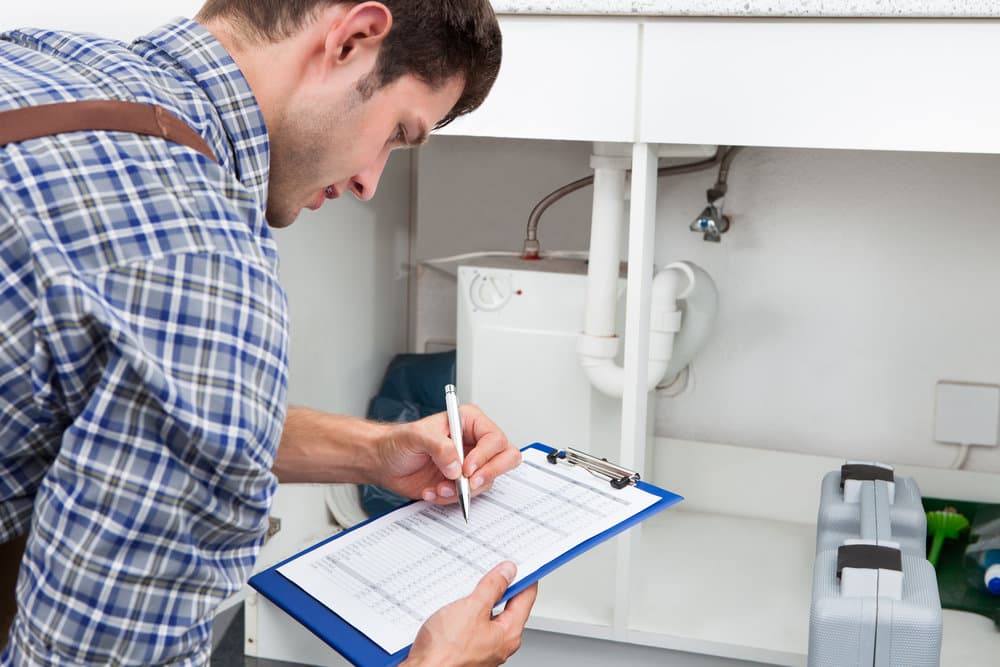
Most people don’t think about their plumbing.
Not really.
You turn the tap, and water flows. You flush, it disappears. Everything works, so you move on. Until something doesn’t.
That’s when general plumbing maintenance suddenly becomes important. Not before. Not when things are smooth. Only when something breaks.
Honestly, that pattern is a bit backwards.
Because plumbing is not just about fixing problems. In fact, most plumbing repairs can be avoided with the right maintenance habits. It is about preventing them. Quietly, consistently, without drama.
And yes, it requires effort. Not a lot, but enough to stay ahead.
Let’s go through it properly.
What Is General Plumbing Maintenance
It sounds simple, but it’s broader than most people assume.
General plumbing maintenance is not one task. It is a series of small checks and habits that keep your system running smoothly.
Think of it as ongoing care rather than repair.
What It Includes
Checking for leaks
Monitoring water pressure
Cleaning fixtures
Inspecting pipes
Maintaining drainage
This is part of plumbing system care. Not glamorous.
But effective.
Why It Matters
Neglected plumbing doesn’t fail instantly. It degrades slowly.
A small leak becomes a bigger one. A minor blockage turns into a full backup.
That’s why a regular plumbing inspection matters more than people think. It catches problems early.
Essential Plumbing Maintenance Checklist
You don’t need a long list. Just a focused one.
Here’s a practical plumbing maintenance checklist you can actually follow.
Daily and Weekly Checks
Look for visible leaks under sinks
Listen for unusual sounds in pipes, as issues like why pipes whistle can often be an early sign of pressure or flow problems.
Ensure drains are flowing smoothly
These are quick checks. Almost instinctive once you get used to them.
Monthly Tasks
Clean drain covers
Inspect exposed pipes
Check water pressure levels
This supports home plumbing maintenance. Simple, but consistent.
Quarterly Tasks
Test shut-off valves
Inspect water heaters
Check for corrosion
These steps align with a routine pipe inspection. They take a bit more time. But not much.
Yearly Tasks
Full system inspection
Professional check-up if needed
Deep cleaning of fixtures
This completes your plumbing upkeep guide. Not perfect. But enough.
Common Plumbing Problems You Can Prevent
Prevention is where maintenance pays off. Most plumbing issues don’t appear suddenly. They build.
1. Leaks
Small leaks are easy to miss, and understanding what causes a faucet to drip can help you catch these issues early. Until they aren’t. A consistent water system maintenance routine helps catch them early.
2. Clogged Drains
Hair, grease, debris. They accumulate over time, often leading to issues like why your toilet is flushing slow if not addressed early. Regular cleaning helps prevent plumbing issues before they block the flow completely.
3. Low Water Pressure
This often starts gradually. Mineral buildup or hidden leaks can cause it. Monitoring pressure helps identify the issue early, and in some cases can prevent problems like a gurgling toilet caused by vent or airflow issues.
4. Pipe Corrosion
Older pipes degrade. Not always visibly. Routine checks help detect early signs.
5. Water Heater Problems
Sediment buildup reduces efficiency and can also lead to sounds like a water heater whistling, which is often related to pressure or internal buildup.. Flushing the system annually improves performance.
A Quick Reality Check
You might think maintenance is optional. It’s not.
I mean, technically it is, but skipping it increases risk. And cost.
DIY Plumbing Maintenance Tips
You don’t need to be an expert. Just attentive.
Keep It Simple
Start with the basics.
Check for drips
Clean drains
Monitor pressure
These are essential pipe maintenance tips. Nothing complicated.
Use Safe Cleaning Methods
Avoid harsh chemicals. They damage pipes over time. Stick to mild solutions.
Know Your System
Understand where your main shut-off valve is. Know how your fixtures connect. This improves household plumbing care.
Stay Consistent
Consistency matters more than effort. Small actions done regularly outperform occasional big efforts.
A Slight Adjustment
Actually, consistency is not enough on its own. You also need awareness.
Because sometimes problems develop quietly, even with regular checks.
So yes, consistency plus attention.
When to Call a Professional Plumber
DIY has limits. Recognizing them is important.
Call a Professional If
Leaks persist despite repairs
Water pressure fluctuates unpredictably
Pipes show visible corrosion
Drainage issues worsen
A professional ensures your plumbing service routine is thorough. Sometimes, deeper issues require expertise.
Plumbing Maintenance Schedule
Let’s make this practical. A structured schedule helps.
Frequency | Task |
Weekly | Check for leaks and unusual sounds |
Monthly | Inspect pipes and clean drains. |
Quarterly | Test valves and check pressure |
Yearly | Full inspection and system flush |
This forms a simple plumbing maintenance plan.
Not rigid. But reliable.
The Balance Between Overdoing and Ignoring
Some people check too often.
Others not at all. The goal is balance.
Check enough to stay informed. Not so much that it becomes overwhelming.
Honestly, plumbing maintenance feels invisible. You do the work, and nothing changes.
No visible reward. That’s the point. Because when it works, it disappears into the background. And that’s where it belongs.
Small Signs That Matter
Slight drops in pressure
Unusual sounds in pipes, especially if you’re wondering are noisy water pipes dangerous, can indicate pressure or structural issues developing over time.
Minor discoloration around fixtures
These are early indicators. Pay attention. They tell you what’s happening beneath the surface.
Long-Term Benefits
Maintenance reduces:
Repair costs
Water waste
System failures
It also improves efficiency. And peace of mind. Which is harder to measure, but still valuable.
5 FAQ
1. What is general plumbing maintenance?
General plumbing maintenance involves regular checks and care to keep your system functioning properly and prevent issues.
2. How often should I inspect my plumbing system?
A regular plumbing inspection should be done monthly, with deeper checks quarterly and yearly.
3. Can I handle plumbing maintenance myself?
Yes. Basic home plumbing maintenance tasks can be done without professional help.
4. What problems can maintenance prevent?
Maintenance helps prevent plumbing issues like leaks, clogs, and pressure problems.
5. Do I still need a plumber if I maintain my system?
Yes. A professional ensures your plumbing service routine covers deeper system checks.
Final Thoughts
Plumbing does not demand attention. It waits. It works quietly until something shifts. Maintenance is your way of staying ahead of that shift.
Not reacting. Anticipating. And, once you build the habit, it stops feeling like work. It becomes routine. And that changes everything.
About HomeRepairManual Team
The HomeRepairManual Team is a group of experienced technicians and DIY experts dedicated to making repairs easier. They provide clear, reliable guidance and practical resources to help users confidently fix and maintain their equipment.
View all posts by HomeRepairManual Team