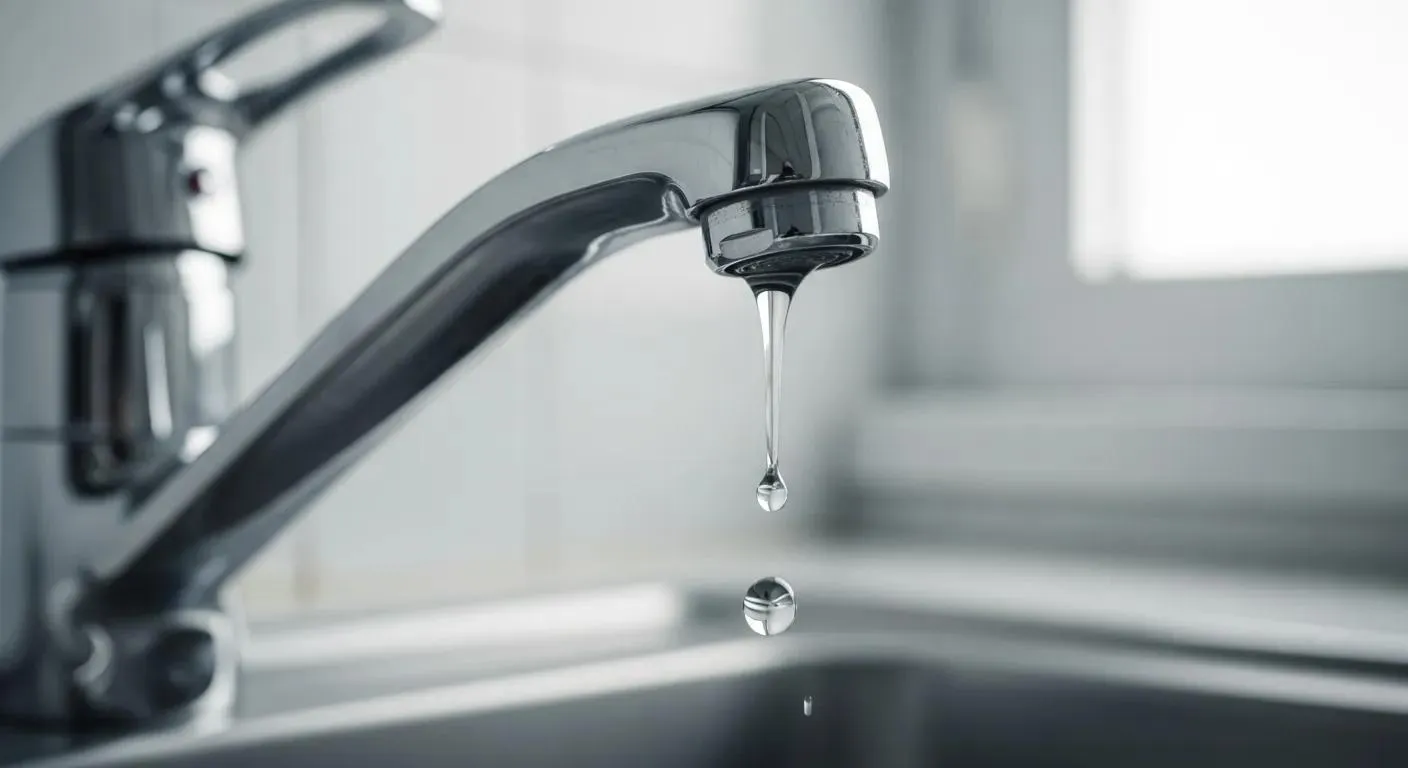
That sound.
You hear it at night more than during the day. One drop. Then another. It’s not loud, but it gets under your skin in a way that’s hard to explain.
And sooner or later, the question comes up. What causes a faucet to drip?
It seems like such a small thing. Almost harmless.
But honestly, it’s not just about the noise. It’s about what’s happening behind that noise. The wear, the pressure, the slow breakdown of something that used to work just fine.
I mean, a dripping tap is like a tiny signal. Not urgent at first. But persistent.
Let’s unpack it.
Causes
This is where most people expect a simple answer.
There isn’t one.
There are several dripping faucet causes, and sometimes more than one is happening at the same time.
1. Worn Washer
This is the classic reason.
A worn washer faucet issue happens when the rubber washer inside the tap wears down over time. It loses its ability to create a proper seal.
Water slips through. Drop by drop.
It’s one of the most common faucet leak reasons. Simple, but easy to ignore until it gets worse.
2. Loose Faucet Parts
Faucets are not a single piece.
They are made of multiple components working together. When loose faucet parts develop, the seal weakens.
That’s when the drip starts.
Sometimes tightening things helps. Sometimes it doesn’t.
Depends on how worn the parts are.
3. Corroded Valve Seat
This one is less obvious.
The valve seat connects the faucet and the spout. Over time, mineral deposits can build up, causing corrosion.
This leads to a plumbing faucet issue that is not visible from the outside.
You might not even know it’s there until the dripping starts.
4. Water Pressure Issues
Pressure matters.
If water pressure is too high, it can force water through even when the tap is off. In many homes, the same pressure imbalance is also responsible for issues like why pipes whistle, especially when water is forced through tight spaces. Over time, this kind of stress can raise concerns about are noisy water pipes dangerous, particularly if the pressure remains unchecked.
That creates a subtle but consistent water leak tap situation.
It’s not always the faucet itself. Sometimes it’s the system behind it.
5. Worn Cartridge
Modern faucets often use cartridges instead of washers.
When the cartridge wears out, the seal fails.
This is another form of a leaking tap causes that requires replacement rather than adjustment.
A Quick Breakdown Table
Cause | Severity | Fix Difficulty |
Worn washer | Low | Easy |
Loose parts | Low to Medium | Easy |
Corroded valve seat | Medium | Moderate |
Pressure issues | Medium | Moderate |
Worn cartridge | Medium to High | Moderate |
Not perfect. But helpful.
Fix
Fixing a dripping faucet is not complicated. But it does require a bit of patience. And a willingness to get your hands slightly dirty.
Step 1: Turn Off Water Supply
Always start here. It sounds obvious, but skipping this step creates more problems than it solves.
Find the shut-off valve and turn it off completely.
Step 2: Disassemble the Faucet
Remove the handle carefully.
Take note of how parts are arranged.
I mean, you think you’ll remember, but sometimes you don’t. So maybe take a quick photo.
Step 3: Inspect Components
Look for signs like:
Worn washers
Damaged cartridges
Corrosion
Loose fittings
This is where the faucet repair issue becomes clear.
You identify the exact problem.
Step 4: Replace Faulty Parts
Swap out damaged components.
A washer is easy. A cartridge takes a bit more effort.
But neither is overly complicated.
Step 5: Reassemble and Test
Put everything back together.
Turn the water supply on slowly.
Check for leaks.
If the dripping stops, you’ve solved the plumbing issue faucet.
If not, you might have missed something. Or the issue runs deeper.
Dripping Tap Fix Reality
Let’s be honest.
Not every fix works perfectly the first time.
Sometimes you replace a washer, and the drip continues. Then you realize the seat is corroded.
It happens.
So yes, a dripping tap fix can be straightforward, but it can also require a bit of trial and error.
Prevention
This part is often ignored until it’s too late.
Regular Maintenance
Check your faucets every few months.
Look for early signs of wear.
A small issue now prevents a bigger problem later.
Avoid Over-Tightening
This is a common mistake.
People tighten faucets too hard, thinking it prevents leaks.
It doesn’t.
It damages components faster.
Clean Mineral Buildup
Hard water leaves deposits.
These deposits lead to corrosion and sealing issues.
Clean them regularly.
Replace Parts Early
If a washer looks worn, replace it.
Do not wait for it to fail completely.
Let’s step back for a moment.
A dripping faucet feels small. But over time, it wastes water. It increases bills. It creates frustration. It’s like a slow leak in attention. You ignore it, and it keeps reminding you.
Honestly, I used to ignore dripping taps.
I thought it was not worth the effort. Then I realized how quickly small issues turn into larger ones. It’s not just about water. It’s about control.
Fixing it early feels… satisfying. Simple, but satisfying.
When to Call a Professional
Sometimes, DIY is not enough.
Call a plumber if:
The faucet continues dripping after repairs
You notice internal corrosion
Water pressure issues persist
Parts are difficult to access
A professional can diagnose deeper faucet leak reasons that are not obvious.
Small Signs You Should Not Ignore
Irregular dripping patterns
Noise inside pipes
Reduced water flow
Visible rust
These issues can also affect other fixtures, sometimes leading to problems like a slow flushing toilet. In some cases, pressure or airflow issues may also show up as a gurgling toilet, indicating a broader plumbing imbalance.
These are early indicators of a plumbing faucet issue. Address them early.
5 FAQs
1. What causes a faucet to drip most commonly?
The most common cause is a worn washer faucet issue, where the seal no longer holds water properly.
2. Can high water pressure cause dripping?
Yes. Excess pressure can lead to a water leak tap even when the faucet is turned off.
3. Is fixing a dripping tap difficult?
A dripping tap fix is usually simple for minor issues, but may require more effort for internal damage.
4. How often should faucet parts be replaced?
Regular inspection helps identify when parts need replacement, preventing larger plumbing issue faucet problems.
5. When should I call a plumber?
If repairs fail or deeper issues persist, a professional can resolve complex faucet repair issues.
What This Really Means
A dripping faucet is easy to ignore. Until it isn’t.
It’s a small problem with a steady rhythm, quietly reminding you that something needs attention.
Fixing it is not just about stopping the drip. It’s about restoring balance. And honestly, once you do it, you’ll wonder why you waited.
About HomeRepairManual Team
The HomeRepairManual Team is a group of experienced technicians and DIY experts dedicated to making repairs easier. They provide clear, reliable guidance and practical resources to help users confidently fix and maintain their equipment.
View all posts by HomeRepairManual Team